

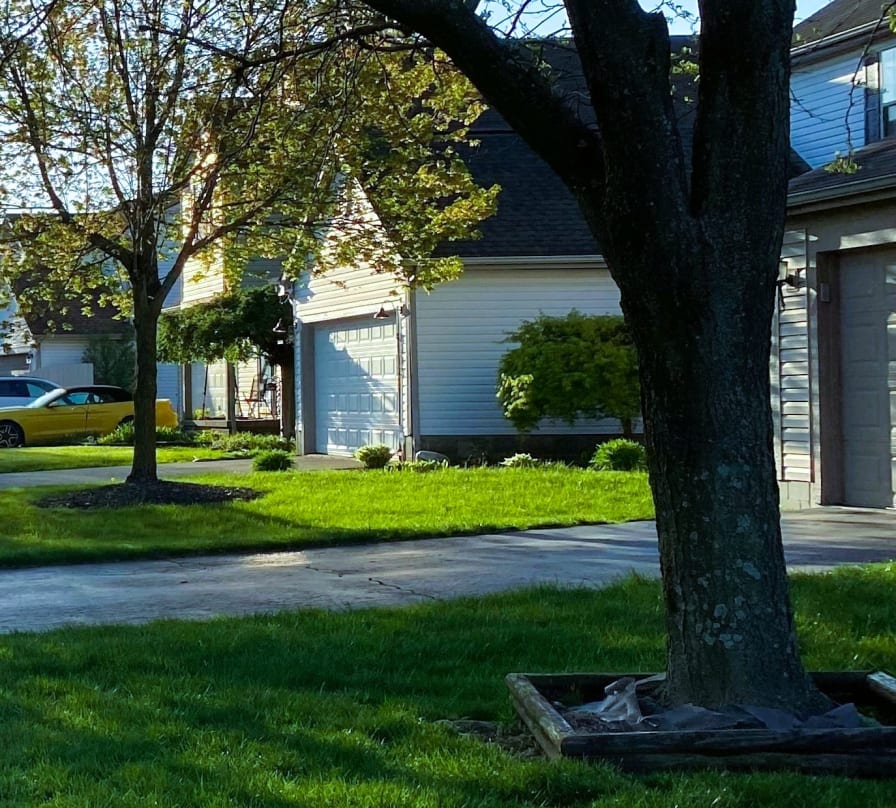
We plant trees for their beauty, shade, and the life they bring to our landscapes. However, not all trees are good neighbors. Some species, often popular in past decades, can secretly undermine your property’s health and safety. Their problems aren’t always obvious until it’s too late—when a limb crashes onto your roof or roots crack your foundation.
Knowing which trees pose a risk is the first step in protecting your home. Here are six common trees that might be threatening your property and why consulting a professional arborist is the wisest course of action.
1. The Bradford Pear: A Ticking Time Bomb
Once hailed as the perfect ornamental tree, the Bradford Pear is now infamous for its structural weakness.
- The Problem: Its branches grow at narrow, weak angles from the trunk. As the tree matures and becomes top-heavy, these limbs are prone to splitting and catastrophic failure, especially during storms, ice, or even under the weight of its own flowers.
- The Signs: Look for multiple trunks (co-dominant stems) with tight, V-shaped crotches. Hearing loud cracks during winds is a major red flag.
- The Solution: For young trees, structural pruning by an arborist can sometimes help. However, most experts recommend complete removal and replacement with a sturdier species before it causes damage.
2. The Siberian Elm: A Messy, Fragile Invader
This fast-growing tree was planted for quick shade, but its speed comes at a high cost.
- The Problem: Siberian Elms have notoriously weak, brittle wood that easily succumbs to wind, ice, and snow. They are also prone to a wide range of pests and diseases, leading to dead branches that drop without warning.
- The Signs: Frequent small branch litter on the ground, evidence of Dutch elm disease (yellowing, wilting leaves), and large, dead limbs in the canopy.
- The Solution: Due to their invasive nature, weak structure, and disease susceptibility, removal is often the safest and most practical long-term choice.
3. The Silver Maple: The Foundation Seeker
Loved for its rapid growth, the Silver Maple has one of the most aggressive root systems of any shade tree.
- The Problem: Its shallow, thick roots spread far and wide in search of water. These roots readily invade and clog sewer lines, crack and uplift sidewalks and driveways, and can even compromise foundation walls.
- The Signs: Heaving pavement near the tree, slow drains in nearby plumbing, and visible surface roots that make mowing difficult.
- The Solution: If planted too close to structures or hardscapes, removal may be necessary. A professional can assess whether root barriers or careful pruning might be a temporary fix, but the tree’s nature is hard to change.
4. The Mulberry Tree: The Stain-Making Nuisance
While beloved by birds, the fruit-bearing female Mulberry tree creates significant messes and attracts pests.
- The Problem: The abundant berries stain driveways, patios, sidewalks, and even the siding of homes. The fallen, sugary fruit attracts insects, wasps, and rodents. The tree can also have invasive roots similar to the Silver Maple.
- The Signs: Purple stains on hardscapes, increased insect activity in summer, and a sticky mess under the canopy.
- The Solution: If the mess is unmanageable, removal is a common request. An alternative is to replace a female tree with a sterile, fruitless male cultivar if you wish to keep the species without the mess.
5. The Tree of Heaven: The Destructive Imposter
This invasive tree is not heavenly for your property. It grows with alarming speed and aggression.
- The Problem: It secretes a toxin into the soil that inhibits the growth of other plants (a process called allelopathy). Its roots can damage foundations and underground pipes. It’s also the preferred host for the destructive Spotted Lanternfly.
- The Signs: Rapid, weedy growth, clusters of samara (winged) seeds, a strong, unpleasant odor from crushed leaves or bark, and a lack of other plants thriving near it.
- The Solution: Immediate removal is strongly advised. DIY removal often fails, as the tree responds by sending up dozens of vigorous root sprouts. Eradication requires professional herbicide treatment to kill the entire root system.
6. The Willow: The Thirsty Pipe Breaker
Willows are picturesque near ponds, but their quest for water makes them a severe hazard to underground utilities.
- The Problem: Their roots are drawn to sources of moisture, making sewer lines, septic drain fields, swimming pool walls, and irrigation systems prime targets. The roots can infiltrate tiny cracks in pipes, causing major blockages and breaks.
- The Signs: Unexplainedly lush patches of grass (indicating a sewer leak), slow drains, and damp spots in the yard away from the tree’s base.
- The Solution: Willows should only be planted where they have ample space away from all underground infrastructure (at least 50 feet is recommended). If one is already causing problems, removal is typically the only permanent solution.
What to Do If You Have a Problem Tree
If you recognize one of these trees on your property, don’t panic—but do act with informed caution.
- Get a Professional Assessment: Never assume a tree is safe or doomed based on online information alone. A certified professional arborist can evaluate the tree’s specific health, structure, and proximity to hazards.
- Explore All Options: A good arborist will discuss all possibilities with you, which may include targeted pruning, cabling and bracing for support, or root management, not just removal.
- Prioritize Safety: Tree work, especially removal or major pruning, is dangerous. It requires proper equipment, training, and insurance. Investing in a licensed, insured professional protects you, your property, and ensures the job is done correctly and safely.
A problematic tree isn’t just an eyesore; it’s a liability. By identifying these common offenders and seeking expert guidance, you can make proactive decisions that enhance your property’s safety, health, and value for years to come.
