

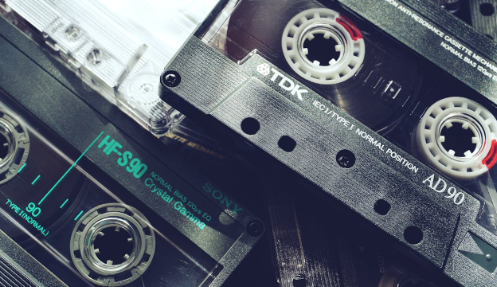
If your old cassette tapes have started to sound muffled or warped, you’re not alone — analog audio doesn’t age well. But can those recordings actually be saved?
Modern cassette tape to digital conversion services can digitize old cassettes with surprising clarity.
This blog explains how damaged or old tapes can be converted to digital, what limitations exist, and what results to expect.
The Hidden Value in Old Cassette Memories
Although old cassette tapes capture the laughter, voices, and songs of another era, these physical tapes degrade over time, leaving those sounds buried behind hiss and static. Magnetic tapes isn’t built to last; it can stretch, warp, or even break. Fortunately, there’s still hope to recover and preserve those precious memories before they fade away completely.
Professional conversion services have made it possible to breathe life back into aging tapes. By using specialized equipment, experts carefully capture every sound with minimal distortion. This process transforms fragile analog recordings into clean, long-lasting digital audio.
Beyond restoration, digital conversion preserves what truly matters—emotion and history. The voices of loved ones can once again fill a room, while old band demos regain their rhythm and tone. These aren’t just sounds; they’re connections to the past. Restoring them ensures those stories continue to echo into the future.
The Science Behind Digital Conversion
Converting old cassettes to digital isn’t simply a matter of pressing “record.” It involves precision, patience, and the right technology. Specialists begin by inspecting the tape for physical damage—creasing, mold, or magnetic wear. Any issues must be fixed before playback, or the sound could be lost forever.
Once ready, high-quality tape decks and digital converters come into play. Every note and voice is captured using advanced noise-reduction software that cleans up unwanted hiss or background noise. Audio levels are balanced, ensuring the final result sounds clear and consistent.
The final digital file often surpasses the original’s clarity. That’s the beauty of modern restoration techniques: they maintain authenticity while improving quality. The digital format also opens new creative possibilities, such as mixing, editing, and archiving in multiple formats without further degradation.
Why Professional Help Makes All the Difference
DIY cassette conversion kits may seem tempting, but they rarely match professional standards. A single playback on an old, dusty cassette player can cause permanent damage. Skilled technicians know how to handle fragile tapes safely, ensuring no further loss occurs during transfer.
Professionals use calibrated decks and digital systems specifically designed for delicate recordings. These machines can recover even faint audio buried beneath years of wear. Their controlled environment minimizes distortion and maintains the tape’s original sound quality.
Furthermore, the conversion doesn’t stop at digitization. Professionals also enhance sound quality through mastering, restoring warmth, and balance. Every single step reflects care and expertise, ensuring each digital copy preserves the original recording.
From Analog to Digital: A Preservation That Lasts
Digitizing cassette tapes does more than improve sound quality—it secures them against future decay. Once stored in digital format, those recordings can live indefinitely without risk of fading or distortion. Unlike magnetic tape, which deteriorates with age, digital files remain stable and easily accessible.
Digital versions also offer convenience and flexibility. Music or voice recordings can be stored on hard drives, shared across devices, or uploaded to the cloud. This accessibility ensures family memories or musical projects can be shared with anyone, anywhere.
Additionally, digital preservation opens doors for creativity. Remastered recordings can be included in video slideshows, podcasts, or documentaries. The process not only saves the sound; it gives it new purpose and a modern platform.
Combining Photo and Audio Restoration for Complete Preservation
Preserving old media often involves handling more than one format. Your family’s legacy might exist on both audio tapes and in photo albums. Combining photo scanning with cassette conversion offers a complete way to safeguard your memories.
Through professional scanning, every image regains color, clarity, and definition. Faded photographs can be digitally restored to match the quality of remastered audio. Together, they paint a vivid picture of the past that feels alive again.
Consider the advantages of combining both services:
- Consistency: A unified archive of visuals and sound creates a cohesive family history.
- Security: Both photos and audio can be backed up on cloud storage for safekeeping.
- Legacy: Future generations can experience not just the faces but also the voices behind those memories.
When visuals and sounds combine, they tell deeper, more emotional stories—ones worth keeping for decades to come.
Preparing Old Tapes for Digital Transfer
Before handing over old cassettes, a bit of preparation ensures the best results. Start by cleaning the tape cases and labeling each one clearly. Knowing what each contains helps professionals organize and sequence files correctly during conversion.
Next, check for any signs of visible damage, such as tangled tape or mold buildup. Keep all your tapes in a cool, dry place to prevent further deterioration. Do not try to play damaged tapes yourself; one wrong move may cause irreparable harm.
Professionals appreciate clients who provide clear context about each tape. Notes such as “Grandpa’s interview 1992” or “School concert 1985” help them organize and archive files properly. Clear labeling transforms basic digitization into a meaningful preservation of personal memories and history.
The Long-Term Benefits of Going Digital
Once the tapes are digitized, the advantages extend far beyond preservation. Digital files can be edited, duplicated, or shared without losing quality, allowing family members, musicians, or historians to revisit the recordings in endless ways.
Digital storage also saves physical space while increasing accessibility. Instead of bulky boxes filled with old cassettes, everything fits neatly on a single drive or online folder, making it easier to find a specific song.
Perhaps most importantly, digitization ensures longevity. With backups and cloud storage, the risk of accidental loss can be significantly reduced. The once-fragile analog recordings become robust, future-proof archives ready for generations to enjoy.
Conclusion
Old or damaged tapes don’t have to fade into silence. With expert care and the right tools, each recording can make the journey from cassette tape to digital while regaining clarity and warmth. The process blends science with sentiment, ensuring those sounds remain vibrant and accessible. Every playback is a step closer to preserving history rather than losing it.
Smooth Photo Scanning specializes in turning fragile, outdated media into beautifully restored digital memories. From precious photos to aging audio tapes, every project receives the care it deserves.
Our advanced technology and skilled technicians ensure lasting preservation, unmatched clarity, and exceptional service. Trust Smooth Photo Scanning to safeguard the stories that matter most—because every memory deserves to be heard and seen again.
