

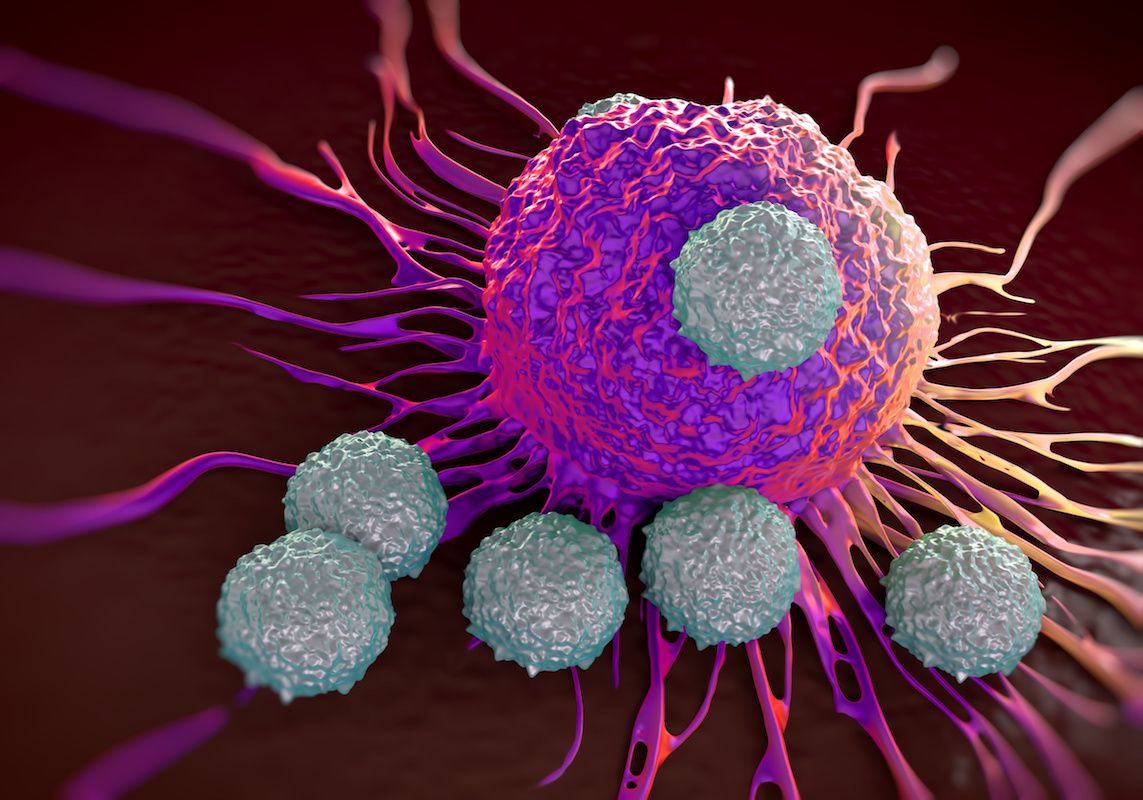
Invisible pathogens surround us every single day. However, understanding how to protect yourself can dramatically reduce your risk of falling ill. Modern science has revealed powerful strategies that strengthen your body’s natural defenses while minimizing exposure to harmful microorganisms.
Understanding the Invisible Enemy
Microorganisms exist everywhere around you. Bacteria, viruses, fungi, and parasites constantly seek opportunities to invade your body. Nevertheless, most of these microscopic threats remain harmless when your immune system functions properly.
Your skin serves as the first barrier. Additionally, mucous membranes trap potential invaders before they penetrate deeper. Moreover, beneficial bacteria in your gut actually fight off dangerous pathogens.
The Power of Proper Hand Hygiene
Washing your hands correctly prevents countless infections. Studies show that proper handwashing reduces respiratory infections by 21 percent. Furthermore, it decreases digestive illnesses by nearly 31 percent.
Use soap and warm water for twenty seconds minimum. Meanwhile, scrub between your fingers and under your nails thoroughly. Subsequently, dry your hands with a clean towel or air dryer.
Hand sanitizer works when soap isn’t available. However, it must contain at least 60 percent alcohol. Apply enough to cover all hand surfaces completely.
Strengthening Your Immune System Naturally
Quality sleep ranks among the most critical immune boosters. Research demonstrates that people sleeping less than six hours nightly face quadruple infection risk. Therefore, aim for seven to nine hours consistently.
Physical activity enhances immune function significantly. Moderate exercise increases circulation of protective white blood cells. Consequently, regular movement helps your body detect threats faster.
Chronic stress weakens your body’s defenses substantially. Cortisol suppresses immune responses when elevated long-term. Thus, practicing stress management techniques becomes essential for disease prevention.
Nutrition as Your First Line of Defense
Eating nutrient-dense foods fuels your immune system. Vitamin C supports various cellular functions of immune components. Similarly, vitamin D regulates immune responses and reduces inflammation.
Zinc plays a crucial role in immune cell development. Meanwhile, selenium helps lower oxidative stress in your body. Additionally, protein provides building blocks for antibodies and immune cells.
Colorful fruits and vegetables contain powerful antioxidants. Berries, citrus fruits, and leafy greens particularly boost immunity. Furthermore, fermented foods like yogurt support beneficial gut bacteria.
Pure Ionic Silver: An Emerging Antimicrobial Option
Pure ionic silver represents a modern approach to infection control. This solution contains positively charged microscopic silver particles suspended in purified water. Moreover, these particles remain stable through electromagnetic repulsion rather than gravitational settling.
The antimicrobial properties work through specific cellular mechanisms. Silver ions combine with oxygen and react with sulfhydryl groups on bacterial surfaces. Subsequently, this interaction deactivates membrane proteins and disrupts cellular respiration processes.
Research indicates effectiveness against numerous pathogens. The positively charged ions can target bacteria, viruses, and fungi. Additionally, ionic silver differs from colloidal silver by containing ions rather than metal particles. You can find PURE ionic silver [here]
How Ionic Silver Works Against Pathogens
The mechanism involves three primary deactivation pathways. Catalytic oxidation occurs first when silver ions interact with pathogen surfaces. Furthermore, binding with cellular membranes compromises structural integrity.
DNA interference represents the third antimicrobial action. Silver ions can bind with genetic material and prevent proper unwinding. Consequently, this disrupts reproduction and essential cellular functions.
Scientific evidence supports the ionic form’s superiority. Rice University research confirmed that ions, not particles, create antibacterial effects. Therefore, pure ionic silver without metal colloids offers targeted antimicrobial activity.
Proper usage requires careful attention to quality and dosage. Products should contain only purified water and pure silver ions, and you can find PURE ionic silver [here]. Additionally, storage in dark glass bottles preserves stability and effectiveness.
Vaccination: Modern Medicine’s Protective Shield
Vaccines train your immune system without causing disease. They work by introducing harmless versions of pathogens. Consequently, your body develops memory cells that recognize future threats.
Immunization prevents millions of deaths annually worldwide. Childhood vaccines protect against measles, polio, and whooping cough. Moreover, annual flu shots reduce hospitalization risk by 40 percent.
Adults need booster shots for sustained protection. Tetanus, diphtheria, and pertussis require updates every decade. Additionally, people over 50 should receive shingles vaccination.
Environmental Controls That Matter
Indoor air quality affects infection transmission rates significantly. Opening windows increases ventilation and dilutes airborne pathogens. Similarly, air purifiers with HEPA filters capture microscopic particles effectively.
Humidity levels impact virus survival and spread. Maintaining 40 to 60 percent relative humidity reduces transmission. Dry air allows viruses to remain airborne longer.
Regular cleaning of high-touch surfaces prevents contamination. Doorknobs, light switches, and phones harbor numerous germs. Therefore, disinfect these areas daily using appropriate products.
Social Strategies for Infection Prevention
Maintaining physical distance during outbreaks reduces transmission substantially. Respiratory droplets typically travel less than six feet. Hence, spacing yourself protects against airborne infections.
Covering coughs and sneezes with your elbow prevents spread. Droplets can carry viruses up to 26 feet. Subsequently, this simple action protects those around you.
Staying home when sick stops community transmission. Many infections spread before symptoms even appear. Nevertheless, isolating once symptomatic prevents further cases.
The Role of Gut Health
Your digestive system houses 70 percent of immune cells. Consequently, gut health directly influences overall immunity. A balanced microbiome fights pathogens and produces protective compounds.
Fiber feeds beneficial bacteria in your intestines. Whole grains, legumes, and vegetables provide essential prebiotics. Meanwhile, probiotic supplements can restore bacterial balance after antibiotics.
Avoiding unnecessary antibiotics preserves your microbiome diversity. These medications kill both harmful and helpful bacteria. Therefore, use them only when medically necessary.
Hydration and Its Immune Benefits
Water supports every bodily function including immunity. Proper hydration helps produce lymph, which carries white blood cells. Additionally, it flushes toxins through your kidneys.
Dehydration thickens mucous membranes, reducing their effectiveness. These barriers trap and expel pathogens more efficiently when moist. Thus, drinking adequate water strengthens your first defense line.
Aim for eight glasses daily as a baseline. However, increase intake during illness or physical activity. Moreover, herbal teas and broths contribute to hydration.
When to Seek Medical Attention
Recognizing serious symptoms prevents complications and deaths. High fever above 103 degrees Fahrenheit requires evaluation. Similarly, difficulty breathing demands immediate medical care.
Persistent symptoms lasting beyond normal duration need assessment. Most viral infections resolve within seven to ten days. Therefore, prolonged illness might indicate bacterial infection or complications.
Immunocompromised individuals should consult doctors earlier. Chronic conditions like diabetes increase infection severity. Consequently, these patients benefit from prompt treatment initiation.
Building Long-Term Resilience
Consistent healthy habits create cumulative protective effects. Small daily actions compound into significant immunity improvements. Therefore, focus on sustainable lifestyle changes rather than quick fixes.
Regular health screenings detect problems before they escalate. Annual checkups allow doctors to monitor your immune function. Additionally, they provide opportunities for preventive interventions.
Education empowers you to make informed decisions. Understanding transmission routes helps you avoid unnecessary risks. Furthermore, staying updated on health recommendations ensures optimal protection.
Conclusion
Protecting yourself from infections requires a comprehensive approach. From proper handwashing to adequate sleep, each strategy contributes uniquely. Moreover, combining multiple methods creates synergistic effects that maximize your defense.
Your immune system possesses remarkable capabilities when properly supported. Consequently, investing in preventive measures pays dividends throughout your lifetime. Start implementing these science-backed strategies today for a healthier tomorrow.
