

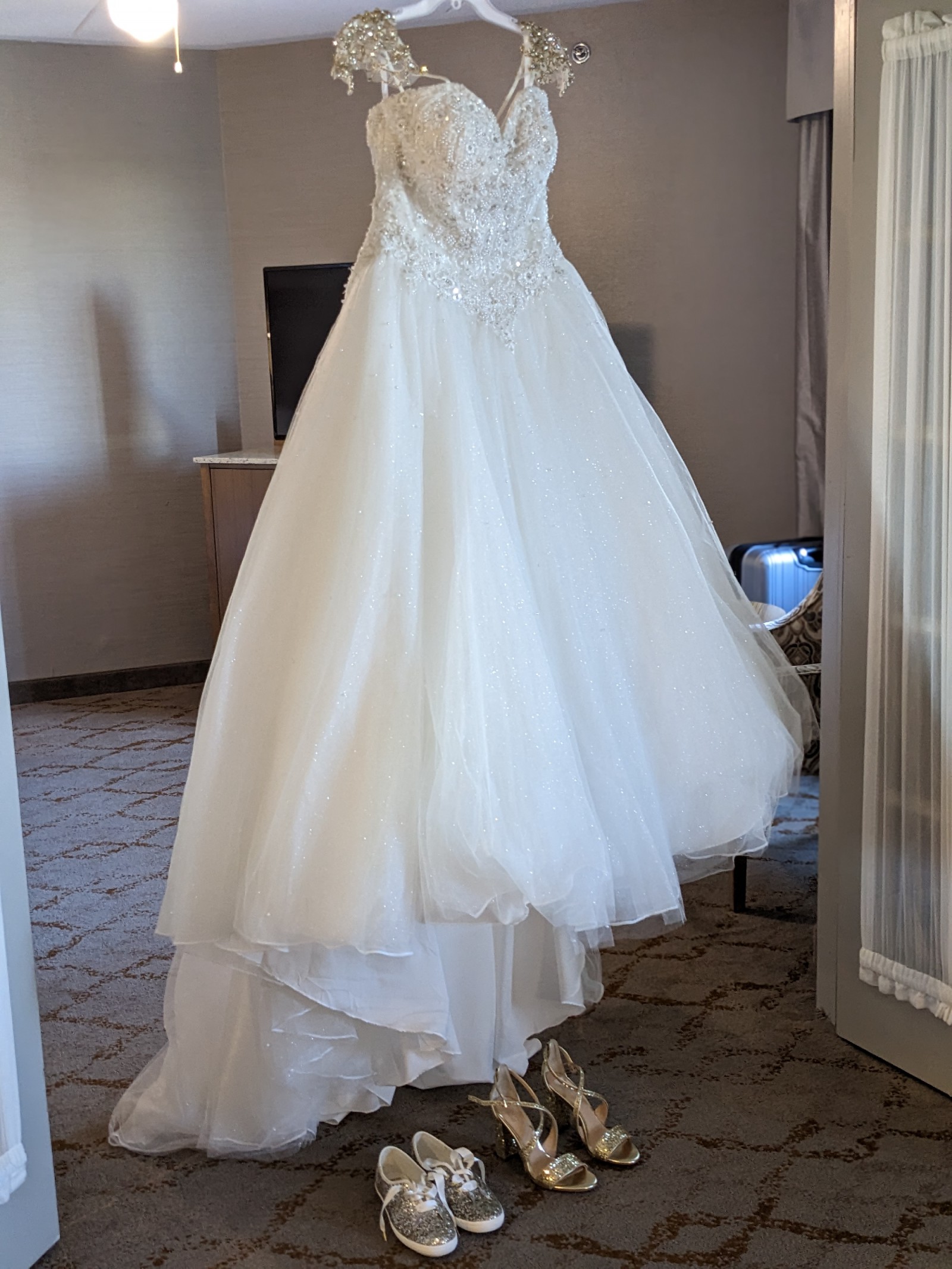
A vintage gown is more than just fabric; it’s a chapter of family history. It is a tangible link between generations, carrying the spirit of love and celebration forward. But bringing “Grandma’s Dress” into the modern era—making it wearable again—presents unique and delicate challenges. Yellowing, brittle fabric, and decades of embedded, invisible stains require specialized knowledge that goes far beyond standard dry cleaning. We are here to talk about the gentle science required to safely perform delicate fabric restoration . Our goal is simple: to achieve a seamless blend of the garment’s historical beauty and contemporary wearability.
The Challenge of Restoring Vintage Wedding Dress Fabrics
Unlike modern gowns, fabrics preserved for decades face degradation that requires extreme caution. When dealing with silks, satins, and lace that are 50 or 100 years old, every touch must be measured and deliberate.
Assessing the Age-Related Damage
The biggest hurdle in reviving an heirloom is the invisible damage caused by time and improper storage.
What are the biggest challenges in restoring a gown that is 50+ years old?
The primary challenges are fabric brittleness and oxidization. Over time, natural fibers like silk and cotton become fragile, making them prone to tearing under pressure. The biggest obstacle is reversing wedding gown yellowing, which is typically caused by permanent chemical reactions (oxidation) from ambient light, temperature fluctuations, and acid migration from unsuitable storage materials. This requires meticulous, targeted chemical treatments that must be tested rigorously before being applied to the entire garment. Furthermore, hidden sizing agents from the original construction may have crystallized and begun cutting the fibers from the inside out.
Antique Lace Restoration and Embellishments
Lace, tulle, and silk organza on vintage gowns are exceptionally fragile. A restorer must carefully assess the stability of the fibers and the security of all decorative elements. We look for antique lace restoration techniques that strengthen the fabric without adding weight. Similarly, old glue used for attaching beads and sequins often degrades, becoming brittle or turning yellow itself. The testing phase is crucial to ensure that old beading won’t dissolve or detach during the cleaning process.
Specialized Techniques for Cleaning Heirloom Gown
Standard dry cleaning practices—which use harsh solvents and mechanical tumbling—are entirely unsuitable for a fragile heirloom. Restoration requires a multi-stage approach rooted in archival science.
Gentle Immersion: The Key to Delicate Fabric Restoration
Restoration utilizes a process similar to fine textile conservation. This involves controlled immersion in filtered water with specialized, archival-grade formulas.
Are the restoration chemicals safe for very fragile fabric structures?
Yes, but only the specialized preservation chemicals used by experts are safe. Reputable specialists perform extensive testing on hidden fabric samples first. The best practice involves using pH-neutral, oxygen-based treatments that gently lift yellowing and stains through controlled immersion rather than harsh scrubbing or aggressive solvents. This method respects the integrity of the delicate fabric restoration while maximizing stain removal and reversing oxidation, ensuring the fibers are protected throughout the cleaning of the heirloom gown.
Making the Antique Gown Wearable Again (Resizing and Structure)
True restoration includes making the garment fit the current bride without compromising its integrity.
Can a vintage gown be resized after restoration without damage?
Yes, a vintage gown can be safely resized after restoration, but it is a specialist’s job and must be approached cautiously. Resizing should only be attempted after the restoration process is complete, as cleaning can slightly alter the fabric’s drape and structure. The challenge lies in minimizing stress on the now-fragile seams and ensuring any new seams match the original construction style, often requiring specialized techniques to maintain the integrity of the antique gown wearable design. Stabilizing any existing tears or weak seams before cleaning is essential to prevent catastrophic damage during the immersion process.
Service Stage
Description
Key Focus Area
- Assessment
Microscopic fabric and embellishment testing.
Structural Integrity & Fiber pH
2. Restoration Wash
Controlled, pH-neutral immersion (Wet Cleaning).
Reversing Yellowing & Oxidation
III. Structural Repair
Stabilizing seams, addressing tears post-wash.
Making Old Dress Wearable
3. Preservation
Boxing in acid-free materials with proper folds.
Long-Term Heirloom Textile Care
Beyond Cleaning: Long-Term Heirloom Textile Care
The restoration is only successful if followed by proper archival preservation to ensure the gown lasts another 50+ years. This involves storing the dress in an acid-free box and using pure cotton muslin (never plastic or standard cardboard), which prevents future oxidation. This meticulous process is the final step in making old dress wearable for future generations.
Trusting the Experts with Your Legacy
A family heirloom is too precious for guesswork. Restoring vintage wedding dress fabrics requires a conservationist’s touch, a chemist’s knowledge, and a commitment to preserving your legacy. By trusting the experts, you don’t just clean a dress—you resurrect a piece of history, ensuring it is wearable, safe, and ready to be passed down.
Ready to breathe new life into your family’s legacy? Trust the experts in delicate fabric restoration. Visit Dress Preservation today for a consultation on your restoring vintage wedding dress needs.
