

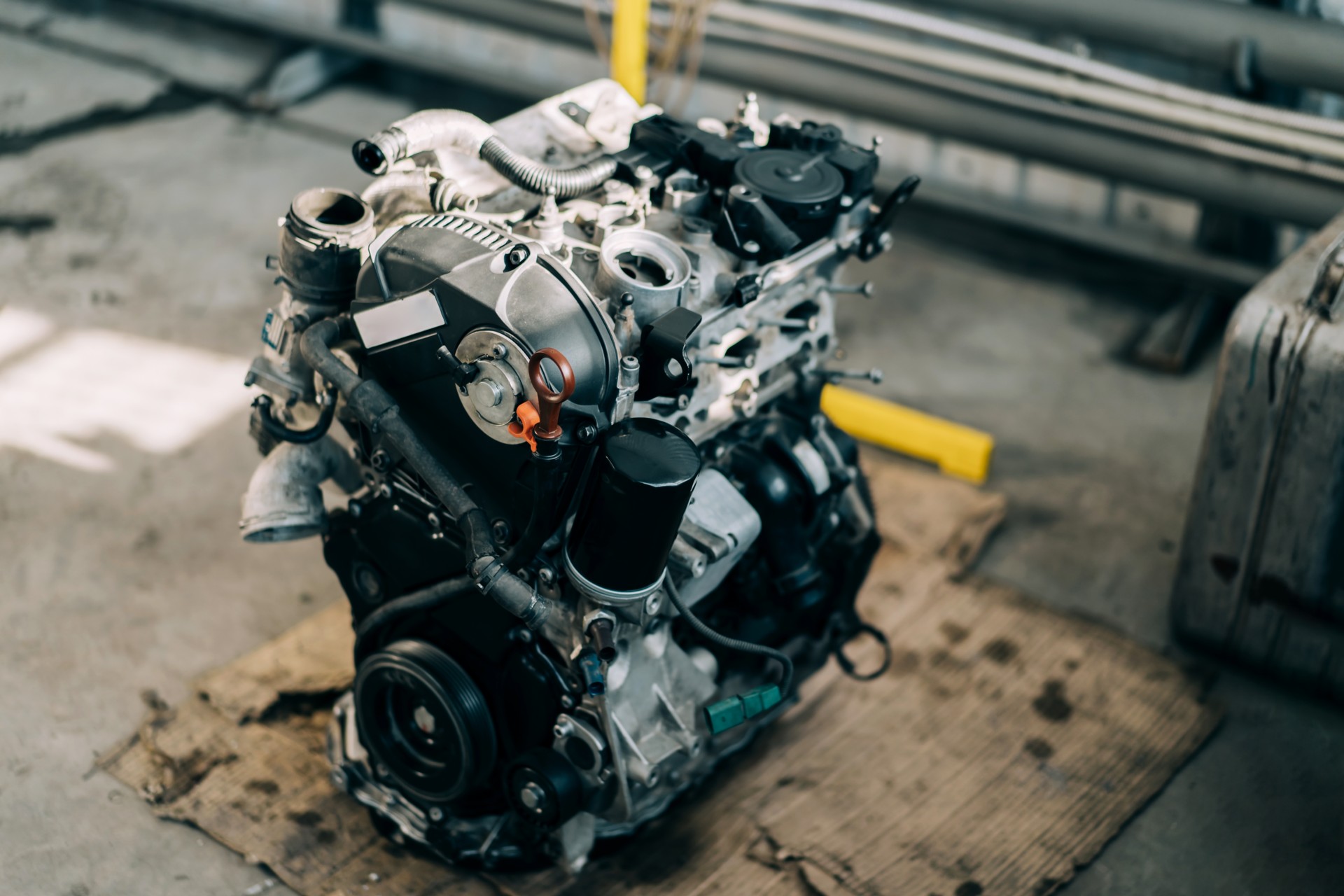
When it comes to real-world performance, numbers on paper never tell the entire tale. Heavy-duty engines separate themselves by more than chance; they do it by design. Every bolt, bearing, and combustion stroke is engineered to handle ongoing stress while delivering usable torque where others quit. This is the real strength built through materials, precision, and mechanical efficiency.
Torque as the True Measure of Work
Torque is where the science of strength truly begins. It defines how much twisting power an engine can deliver at any given moment. Heavy-duty engines produce torque lower in the RPM range, giving machines the brute force to haul, climb, or push without hesitation. This low-end dominance isn’t about size, but the outcome of long-stroke design, precise combustion timing, and reinforced crankshafts.
The Navistar DT466 engine differences clearly showcase this philosophy in action. Such an engine transforms fuel energy into reliable mechanical power thanks to its sturdy internals, which put endurance above flash. It produces torque that is unbreakable even when the load doubles or the grade steepens by balancing bore-to-stroke ratios and keeping high cylinder pressures with little friction.
Durability Through Engineering
Durability does not always mean heavier metal or bigger pieces. It could simply come from smart engineering. Harder alloys, heat-treated parts, and improved seals are employed in heavy-duty engines since it is only a matter of time before heat and vibration strike. Each part has an almost extreme level of force that it will be mated with, and hence, metallurgy and geometry collaborate to minimize fatigue.
Wet-sleeve cylinder liners are examples of engines such as the DT466. They are never permanently clamped into the block but can be removed, thus making direct cooling contact and easy rebuilds. That design extends life well beyond that of cast-in blocks, which warp and wear sooner under thermal cycling. The science lies in the control of expansion and contraction, the silent killer of durability.
Cooling and Pressure Management
High output means high temperature, and managing that is a precision war. Heavy-duty engines also feature larger radiators, higher flow water pumps, and higher pressure-circulating oil systems. Those are not luxuries. They are necessary for long-term operation under heavy load.
Thermal balance directly determines how efficiently an engine converts energy into motion, especially during continuous stress. Proper cooling keeps combustion stable, preventing detonation that can erode performance and reliability.
The wet-sleeve pressurized system of the DT466 cools cylinder walls evenly, minimizing thermal hotspots that cause microfractures. The payoff is not just temperature control, but dimensional stability as well. When metal is kept within its designed specifications, efficiency is the outcome. Oil and coolant circuit pressure equalization means no section of the engine is unsupported.
Structural Integrity at the Core
A strong block and head design does more than resist cracking; it maintains alignment. With combustion pressures in the thousands of psi, even minor flexing will throw tolerances off. Heavy-duty engines combat this with cross-bolted and reinforced mains, heavier deck surfaces, and ribbed casting patterns that distribute stress across the structure.
Structural rigidity doesn’t just preserve strength; it safeguards precision under extreme mechanical load. When the block stays true, rotating assemblies remain synchronized, preventing cascading wear throughout the system.
The precision-machined DT466 cast-iron block resists torsional twist even during extended high loads. That sort of rigidity holds bearing clearances consistent, valve timing reliable, and blow-by low. The science is subtle but critical, when all forces are in balance, the engine doesn’t have to work to run.
Fuel Efficiency Through Controlled Power
It would be reasonable to assume that heavy-duty refers to high consumption, but not so in engineering. Efficiency comes from controlled burning and lowered friction. Multi-hole injectors atomize fuel more efficiently, and electronic control units measure delivery by the millisecond to maintain the air-fuel ratio perfectly. Precision in fuel mapping ensures that every droplet contributes to output, minimizing waste even under heavy throttle demand.
In practice, what this means is that the engine gets more done with less, without revving too hard, yet still delivering torque. By optimized combustion chamber design and injector pitch, engines like the DT466 throw almost all available energy into motion rather than heat. Efficiency isn’t about doing less work, but throwing away less power.
Precision Assembly and the Human Factor
An even better design will prove useless if assembly is not precise. Heavy-duty engine tolerances are specified in microns. All bearing surfaces, valve seats, and piston rings are machined to close tolerances. This precision enables consistent friction, consistent heat loss, and consistent wear patterns. Engines like the DT466 benefit from modular design, individual components that can be replaced without touching the rest of the block. Not only does this improve serviceability, but it also provides the original alignment, factory-quality performance well into the life of an engine to make it shine for. Precision in this case is what makes reliability better than premature failure.
Materials That Withstand the Impossible
Strength begins at the molecular level. The current metallurgy enables the engineer to choose fatigue, corrosion and thermal stress-resistant alloys. In the case of separate mechanical realities, designed alternatives comprise the use of molybdenum-coated piston skirts, induction-hardened cam lobes, and forged steel crankshafts.
These materials can withstand long load cycles and high compression ratios, which cause structural integrity to be under strain. The combination of high toughness and elasticity allows the parts to bend enough to withstand the shock but not to break. Due to this fact, engines such as the DT466 can have a life span of 500,000 miles under good maintenance.
Long-lasting performance isn’t luck; precision engineering in harmony under constant stress. Every component, from rotating units to dampers, balances mechanical force for stability as loads become extreme. It’s such an internal balance that allows heavy-duty engines to blow away fatigue and send consistent power far longer than lighter models will buckle under. Coupled with proper lubrication management, such systems extend the life of operation, reduce friction, and maintain torque integrity, all to keep the engine running just as designed, even in continuous real-world stress.
