

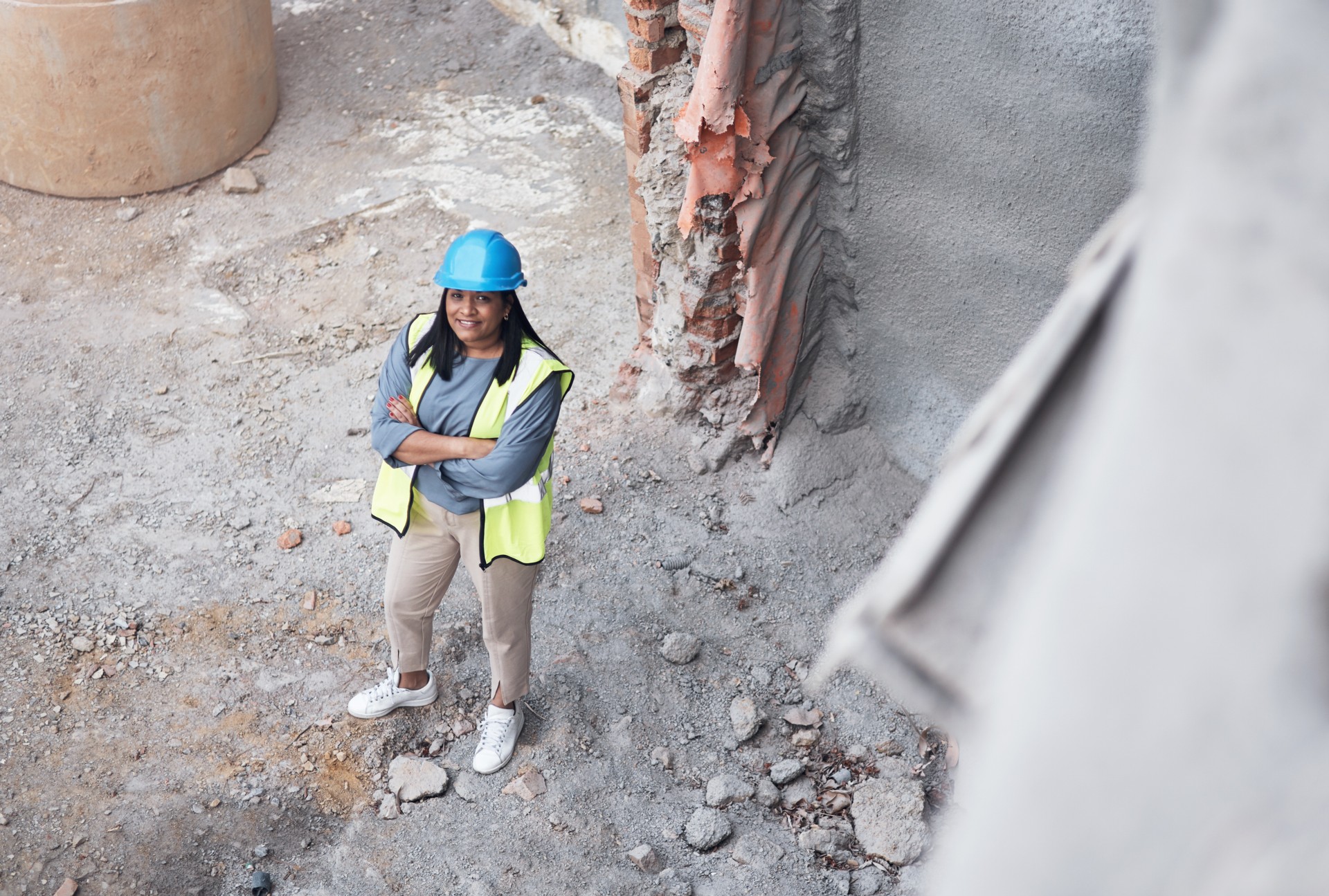
Demolition might look easy, and a property owner may consider removing a structure without professional help. However, what starts as a simple DIY task can turn into a dangerous, costly, and stressful project. So, what could go wrong if a property owner demolishes a structure without hiring a contractor?
Safety Concerns
Demolition involves dealing with unstable structures, falling debris, and heavy materials. One wrong move can cause accidents, resulting in severe injuries. When demolishing walls, for instance, concrete debris can collapse without warning, or a loose beam can fall. Those working on the ground can easily get hit or trapped when this happens.
One may also sustain injuries as they walk due to debris and uneven ground with demolition waste. If the site is not secured correctly, passersby or neighbors can get hurt. These injuries can sometimes be so severe that they could lead to compensation lawsuits.
Individual property owners and institutions do not have to handle demolition projects to avoid trouble. They can hire a licensed commercial contractor like cci commercial contractors milwaukee to reduce their structure. These professionals have the equipment and skills to demolish a structure while reducing the risk of injuries. They get relevant permits and implement safety measures to ensure everyone on site is safe.
Legal Disputes
A poorly controlled demolition project can do more harm than expected. When walls or floors come down in the wrong order, the impact can damage nearby structures or vehicles. Vibrations and flying debris can cause cracks in neighboring buildings. Demolition can shatter windows and damage underground utilities like water lines or electrical cables.
Such incidents can lead to costly repairs and even legal disputes with neighbors. For example, if debris damages a nearby car or roof, the person who carried out the demolition may be liable for the losses.
Professional contractors, on the other hand, know how to prevent these incidents. They study the structure before work begins, identify which parts support the building, and plan the safest way to bring it down. Their experience helps control every step of the process. They also have insurance to protect their clients from liability.
Health Risks
Not all demolition risks are visible. Some are hidden within the walls, ceilings, or floors of older buildings. Materials like asbestos, lead paint, and mold can pose serious health risks when demolishing a structure. When someone without training handles these materials, tiny toxic particles can spread into the air. Breathing them in can cause long-term lung problems, poisoning, or even cancer.
Unfortunately, the people demolishing a house and their neighbors may not realize they are exposed to dangerous substances. Professional commercial contractors, however, know how to identify and manage such hazards. They test materials before starting demolition. If harmful substances are found, they use special equipment and follow legal disposal methods to protect people and the environment.
Property owners can work with licensed contractors to prevent health risks associated with exposure to dangerous substances and possible violations of environmental laws. Safe handling of hazardous materials is one of the biggest reasons demolitions should never be treated as a do-it-yourself task.
Hidden Costs
Many people choose DIY demolition to save money. But the truth is that they end up spending more in the end. Without the right equipment, one has to rent tools such as jackhammers, loaders, and safety gear. They must also pay for debris removal, transportation, and disposal fees. The expenses can skyrocket if something goes wrong, like structural damage or an injury.
There’s also the cost of fixing mistakes or hiring professionals later to finish the job. In most cases, what seemed like a budget becomes a financial burden. Trained contractors use their skills to provide accurate estimates before the project. They also handle everything efficiently because they have the equipment and experience to do the job right the first time.
Compliance With Regulations
Many people don’t realize that demolition is strictly regulated just like construction work. A property owner cannot just start tearing down a building. They need permits, safety inspections, and approvals for waste handling and disposal.
Doing the work without these permits can lead to serious problems. Local authorities can stop the project, issue fines, or take legal action. The property owner may be ordered to reconstruct or repair the damaged structure to meet building code requirements.
Professional demolition contractors get all the paperwork before the project. They know the necessary permits and ensure the project adheres to the local building codes. This helps the client avoid delays, penalties, and unnecessary stress. Violating the building codes may create more problems during and after the project.
Frustration Due to Delays
Demolition projects might look easy, but require careful planning and accurate implementation. Without relevant experience, the person demolishing a structure could make mistakes that delay the project. Sometimes equipment breaks down or debris piles up faster than expected. Solving these problems causes delays that disrupt other plans and increase costs.
Professionals set clear project timelines. They plan each demolition phase, manage workers efficiently, and deal with challenges as they arise. Their experience saves time and helps property owners move to the next stage without frustration.
Unexpected Financial Burden
If an accident or property damage happens when demolishing a structure, home, or business, insurance policies won’t pay for it. That means the property or business owner has to cover the full cost of repairs, medical bills, or legal claims.
In contrast, professional contractors have insurance to protect their team and clients. Therefore, the contractor’s insurer handles the losses if anything goes wrong. This protection alone is worth far more than any savings from doing the work alone.
Demolition projects are probably more dangerous than any construction project. Handling such a project without professional assistance can lead to financial losses and injuries that may require long-term care.
However, a qualified commercial contractor can pull down a structure while preventing accidents that can delay the project or lead to financial losses. It is not just about tearing down walls; it is about ensuring the demolition task is safe and flawless.
