

You have a great product idea. Maybe you drew it on paper or built a rough model at home. You’re excited because you think people will want to buy it. But how do you turn that idea into something real that you hold in your hands?
This process is called prototyping. A prototype is a working sample of your product that you make before manufacturing thousands of copies. Think of it like a test version that helps you find problems and make improvements.
Understanding how prototyping works saves you time and money. It also helps you create a better product that customers actually want to buy.
Let me walk you through each step so you know exactly what to expect.
Why You Need a Prototype
Many inventors skip prototyping and go straight to manufacturing. This mistake costs them thousands of dollars and lots of headaches.
Here’s why prototypes matter:
You Find Problems Early
Your idea might look perfect on paper. But when you build it, you discover problems you never thought about. Maybe two parts don’t fit together. Perhaps the product is too heavy. Or the materials cost too much.
Finding these problems in a prototype costs much less than discovering them after you made 10,000 units.
You Test If It Actually Works
Does your product do what you think it does? A prototype lets you test this. You use it, break it, and see what happens. This testing shows if your idea works in real life, not just in your imagination.
Investors Want to See It
If you need funding to start your business, credit repair can help with loan access, but investors also want to see and touch a real product. They don’t give money based on drawings. They want proof your idea works. A prototype gives them that proof.
Manufacturers Need It
Before a factory makes your product, they need to understand exactly what you want. A prototype shows them the size, shape, materials, and how everything fits together. This clear example prevents mistakes during manufacturing.
Step 1: Turn Your Sketch Into a Design
Most product ideas start as rough sketches on paper. These sketches show the basic idea but miss lots of details.
Create Detailed Drawings
You need drawings that show every part of your product from different angles. These drawings include measurements for every piece. They show how parts connect and what materials to use.
If you’re good at drawing and measuring, you might do this yourself. Many inventors hire product designers to create professional drawings. Designers use computer programs that make perfect technical drawings.
Make 3D Computer Models
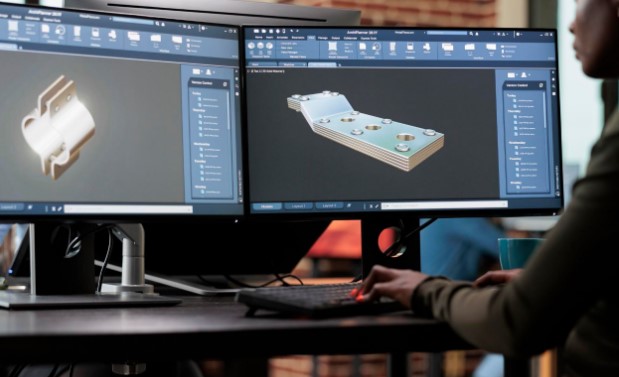
Modern product design uses 3D modeling software. These programs let you see your product on a computer screen from every angle. You rotate it, zoom in, and look inside. This helps you spot problems before building anything physical.
Programs like SolidWorks, Fusion 360, or SketchUp create these 3D models. If you don’t know how to use this software, hire someone who does. The cost is worth it because good models prevent expensive mistakes later.
Step 2: Choose Your Prototyping Method
Several ways exist to build prototypes. The best method depends on your product type, budget, and timeline.
3D Printing
3D printing builds objects layer by layer from plastic, resin, or metal powder. It’s fast and works great for testing shapes and sizes. You get a prototype in hours or days instead of weeks.
3D printing costs less than other methods for single prototypes. However, 3D printed parts often don’t use the same materials as your final product. They’re perfect for testing design but not always perfect for testing durability.
CNC Machining
CNC machines cut your prototype from blocks of metal, plastic, or wood. They’re very accurate and create strong parts using real manufacturing materials. This method works well when you need prototypes that look and feel like finished products.
CNC machining costs more than 3D printing and takes longer. But the quality is better, especially for products with moving parts or products that need to be strong.
Many industrial products need parts that handle pressure or movement. These parts often require specific materials like reinforced rubber to work right. For example, a custom rubber connector is a common part in aerospace or heavy machinery systems. These components have to stay flexible while they deal with high vibrations. If you use the wrong material during the prototyping stage, the whole system might fail during a stress test. Choosing the right material for these flexible parts is a big step in the design process.
Handmade Prototypes
For simple products, building prototypes by hand might work. You buy materials at hardware stores and craft shops, then assemble everything yourself. This method costs the least but takes lots of time and skill.
Handmade prototypes work for early testing. But for showing investors or manufacturers, you usually need more professional prototypes.
Working With Prototyping Companies
Many inventors work with companies that specialize in building prototypes. These companies have the equipment, materials, and knowledge to build almost anything. Reputable global firms can offer a comprehensive range of services, from initial concept design to final production, providing a one-stop solution for complex product development needs. For example, a company like arrk north america, or similar options from elsewhere, can provide this level of integrated expertise, handling everything from rapid prototyping to low-volume manufacturing. This approach ensures consistency and accelerates the time-to-market for innovative products across various industries. In places with strong manufacturing backgrounds, where aerospace and technology companies create innovative products regularly, a prototyping company will have experience with various materials and methods. They guide you through the process and suggest the best approach for your specific product.
Step 3: Build Your First Prototype
Now comes the exciting part. Your idea becomes something real you hold in your hands.
Expect Imperfection
Your first prototype won’t be perfect. Things never work exactly right the first time. Parts might not fit. Colors might be wrong. Something might break when you test it. This is completely normal and exactly why you make prototypes.
Don’t get discouraged when problems appear. Every problem you find is a problem you fix before spending money on manufacturing.
Test Everything
Use your prototype the way customers would use it. Push buttons, open doors, carry it around, and see what happens. Give it to friends and family and watch them use it. They’ll find problems you never noticed because they think differently than you do.
Write down every problem, no matter how small. Even tiny issues matter because they affect whether customers like your product.
Measure and Document
Take pictures of your prototype from every angle. Measure all the parts. Write down what works and what doesn’t work. This documentation helps when you make the next version.
Keep your first prototype even after you make better versions. Looking back at where you started reminds you how far you’ve come. It also helps explain your product’s development to investors or partners.
Step 4: Make Improvements and Build Again
After testing your first prototype, you’ll have a long list of changes to make. This leads to your second prototype, which should be much better.
Prioritize Your Changes
You probably found 20 or 30 things to change. You don’t need to change everything at once. Focus on the biggest problems first. Fix things that stop your product from working or things that make it unsafe.
Small improvements like color or minor size changes wait until later versions.
Build Version 2
Make your changes in the computer model first. Look at them on screen before building another physical prototype. This saves money because you catch design problems before paying for another prototype.
When you’re happy with the changes, build prototype number two. Test it just like you tested the first one. You’ll probably find more problems, but fewer than before.
Repeat Until It’s Right
Most products need three to five prototype versions before they’re ready for manufacturing. Each version gets closer to perfect. This process takes time, but it’s necessary for creating a good product.
Budget for multiple prototypes when planning your project. Don’t think one prototype will be enough.
Step 5: Create a Final Sample
Once testing shows your prototype works great, you make a final sample. This sample looks and works exactly like the product customers will buy.
Use Real Materials
Your final sample uses the actual materials, colors, and finishes your manufactured product will have. If your product is blue plastic with a smooth finish, your final sample looks exactly like that.
This final sample is what you show to everyone. You use it for marketing photos, investor presentations, and manufacturer quotes.
Get Feedback From Your Target Customers
Show your final sample to people who would actually buy your product. Watch them use it and listen to their opinions. They might suggest one or two small changes that make your product much better.
This feedback is gold. Real customers tell you if they’d spend money on your product and how much they’d pay.
What Prototyping Costs
Prototyping costs vary wildly based on your product’s complexity, size, and materials.
Simple products might cost $500 to $2,000 for a basic prototype. Complex products with electronics, moving parts, or special materials cost $5,000 to $20,000 or more.
Remember you’ll probably build three to five prototypes. Budget for multiple versions, not just one.
This money is an investment. Spending money on prototyping prevents spending much more money on manufacturing mistakes. It’s cheaper to find and fix problems in prototypes than in finished products sitting in your warehouse.
Moving Forward to Manufacturing
When your prototype is perfect and customers love it, you’re ready for manufacturing. The prototype becomes the example manufacturers follow to make thousands of your products.
All the time and money you spent on prototyping now pays off. You have confidence your product works. You know customers want it. And manufacturers know exactly what to build.
Prototyping transforms your idea from a dream into reality. It’s the bridge between thinking about a product and holding it in your hands. Yes, it takes time and costs money. But without prototyping, most product ideas never become successful businesses. Take your time, test thoroughly, and enjoy watching your idea come to life.
