

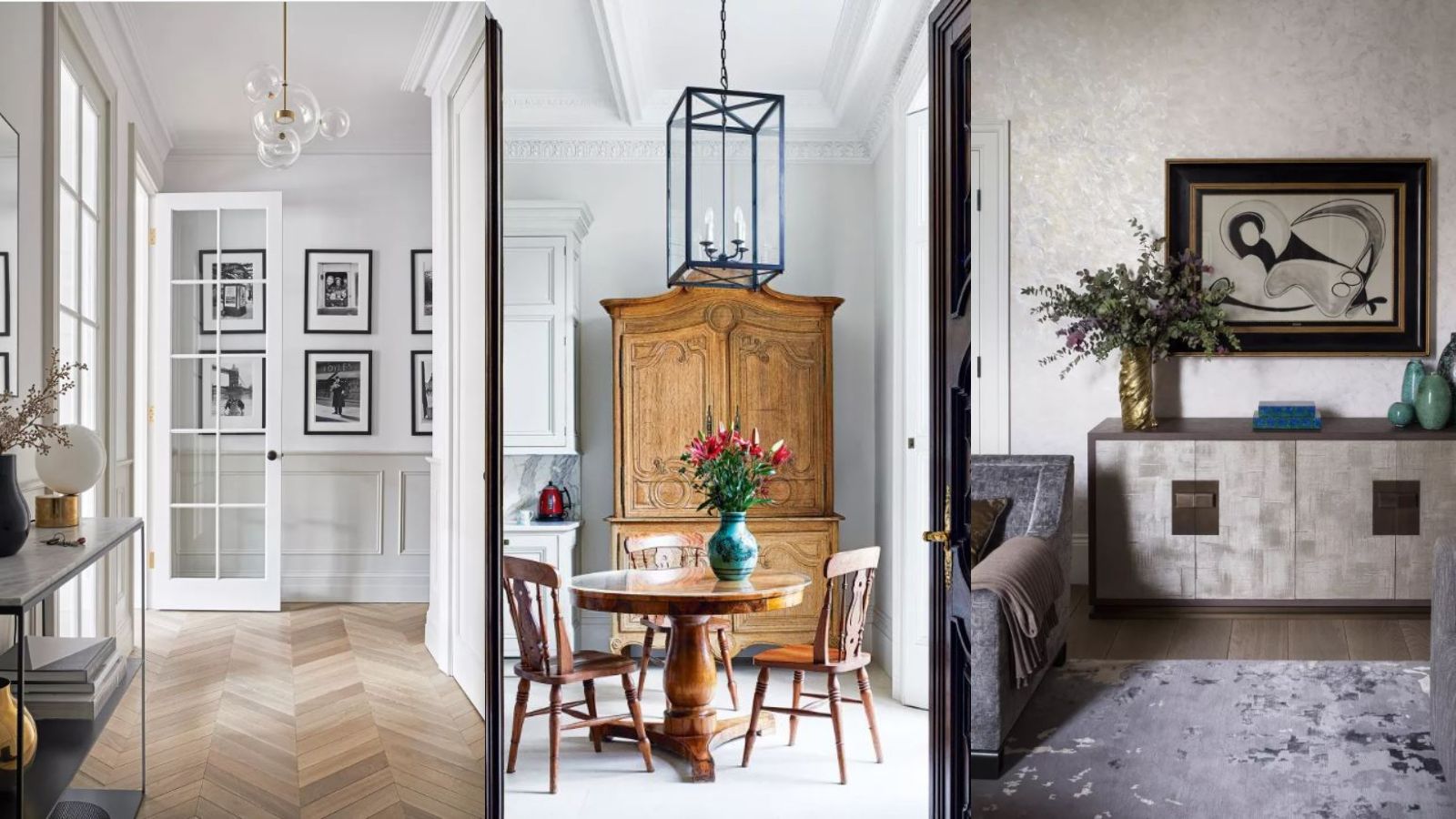
Designing a home that feels elegant, timeless, and sophisticated is not just about following trends—it’s about blending functionality with beauty. Whether you’re renovating an older property or building a new space from scratch, professional-grade home design approaches can help you achieve that coveted luxury finish. By paying attention to details, materials, and layouts, you can transform any home into a space that reflects both comfort and refinement.
When it comes to home design, homeowners often underestimate the impact that professional touches can bring. With the right strategies, even modest homes can be elevated into stunning spaces that look and feel luxurious. The following approaches are used by design experts to create homes that balance elegance, functionality, and personality.
1. Strategic Space Planning for Flow and Functionality
One of the hallmarks of professional home design is space planning. Designers understand that every inch counts, and they ensure each room serves a purpose while maintaining harmony throughout the home. A well-thought-out floor plan allows for easy movement, logical room transitions, and maximized functionality.
Tips for Luxe Space Planning:
- Open-concept layouts with defined zones
- Clear pathways free from clutter
- Optimized furniture placement for flow
- Multi-functional spaces like kitchen islands or built-in home offices
2. Luxurious Materials and Finishes
The choice of materials can instantly elevate the look of your home. Professional designers often prioritize high-quality finishes that not only look beautiful but also stand the test of time.
Examples of Luxe Materials:
- Natural stone countertops (marble, quartzite, granite)
- Hardwood flooring with rich stains
- Custom cabinetry with soft-close features
- Metallic accents like brushed brass or matte black
These materials create depth, texture, and elegance in every corner of your home.
3. Layered Lighting for Atmosphere
Lighting is one of the most powerful tools in home design. Professionals often use layered lighting to create a luxurious ambiance that adapts to different moods and occasions.
The Three Layers of Lighting:
- Ambient lighting: General overhead light (chandeliers, recessed lighting)
- Task lighting: Focused light for specific activities (kitchen under-cabinet lights, reading lamps)
- Accent lighting: Decorative lighting to highlight features (wall sconces, LED strips)
When combined, these layers create depth, highlight design features, and give your home a warm, inviting glow.
4. Custom Built-Ins for Elegance and Efficiency
Nothing says luxury quite like a perfectly fitted built-in. Professional designers frequently incorporate custom shelving, cabinetry, and storage solutions that feel seamless and add architectural interest.
Custom Built-In Ideas:
- Floor-to-ceiling bookshelves
- Entertainment centers with hidden storage
- Window seats with drawers underneath
- Walk-in closets with tailored shelving
These not only maximize space but also create a polished, custom look.
5. Harmonized Color Palettes and Textures
A professional-grade home design always includes a cohesive color story. Luxury spaces rarely happen by accident—they’re carefully curated with color and texture in mind.
Popular Luxe Palettes:
- Neutral tones with layered textures (linen, wool, silk)
- Monochromatic schemes with metallic accents
- Rich jewel tones balanced with warm neutrals
Textures such as velvet, leather, and natural wood add depth, while coordinated colors tie the entire home together.
6. Architectural Details that Elevate Spaces
Small details make a huge difference. Professionals often add architectural enhancements that make homes feel custom and high-end.
Architectural Luxe Features:
- Crown molding and baseboards
- Coffered or tray ceilings
- Wainscoting or wall paneling
- Statement staircases with iron or glass railings
These details subtly communicate sophistication without overwhelming the space.
7. Integration of Smart Home Features
Luxury today is not only about looks—it’s also about convenience. Modern home design integrates technology to create homes that are as functional as they are beautiful.
Smart Home Features That Add Value:
- Automated lighting and climate control
- Built-in sound systems
- Smart security systems
- Voice-activated appliances
When seamlessly integrated, these features provide comfort, efficiency, and peace of mind.
8. Thoughtful Furnishing and Styling
Finally, no professional-grade design is complete without the right furnishings and styling. Designers carefully select furniture, artwork, and décor that complement the architecture and finishes.
Furnishing Tips for a Luxe Finish:
- Choose statement pieces instead of overcrowding rooms
- Mix modern furniture with timeless classics
- Add layers with rugs, throws, and accent pillows
- Curate art and accessories that reflect your personality
The right styling ties all elements together, ensuring the home feels polished and complete.
Luxe Home Design in Action: A Quick Comparison Table
| Feature | Standard Approach | Luxe Design Approach |
| Flooring | Laminate | Wide-plank hardwood |
| Countertops | Laminate/ceramic tile | Marble or quartzite |
| Lighting | Single ceiling light | Layered lighting system |
| Storage | Freestanding cabinets | Custom built-ins |
| Color Scheme | Random mix | Harmonized palette |
| Tech | Minimal gadgets | Integrated smart systems |
Conclusion
Creating a luxurious home doesn’t have to be overwhelming or unattainable. By incorporating professional-grade strategies—like strategic space planning, custom built-ins, and layered lighting—you can elevate your home design to a whole new level. Each of these approaches is about more than just appearance; they bring functionality, comfort, and sophistication to your living space.
Whether you’re planning a complete renovation or simply refreshing a few rooms, these eight strategies will guide you toward a refined, high-end finish. With thoughtful choices and attention to detail, your home can become a timeless sanctuary that reflects both style and substance.
