

Choosing the right solar panel type can greatly impact efficiency, cost, and long-term performance. Homeowners and businesses must weigh factors such as available space, climate, and budget before deciding. Monocrystalline, polycrystalline, and thin-film panels each offer unique advantages. New technologies like bifacial and perovskite cells add more options. Understanding these differences helps buyers select a solar solution that matches energy needs and investment goals.
Major Solar Panel Types Explained
Monocrystalline Panels
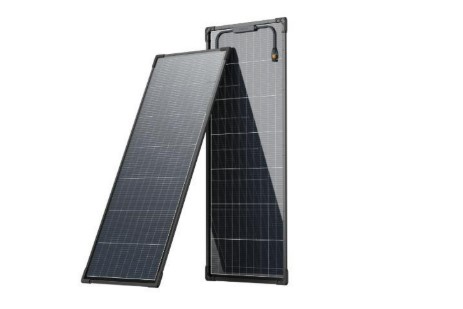
Monocrystalline solar panels use single-crystal silicon, making them the most efficient option on the market. They produce more electricity per square foot and perform well in low-light conditions. Their sleek black appearance also appeals to many homeowners. However, the advanced manufacturing process makes them more expensive than other types. They are ideal for properties with limited roof space where maximizing energy output is critical for long-term savings.
Polycrystalline Panels
Polycrystalline panels are made from multiple silicon fragments melted together. They offer lower efficiency than monocrystalline panels but remain a cost-effective solution for many installations. Their bluish hue and speckled look make them visually distinct. They typically require more space to achieve the same output. For homeowners or businesses with larger roof or ground areas, polycrystalline panels provide a reliable and budget-friendly path to solar adoption.
Thin-Film Panels
Thin-film solar panels are lightweight and flexible, using materials like cadmium telluride or amorphous silicon. They perform better in diffuse light and at higher temperatures compared to crystalline options. However, they have lower efficiency and require more installation space. Thin-film panels are often used in large-scale commercial projects, off-grid applications, or unique structures. Their adaptability and lower cost make them attractive for specialized energy solutions.
When considering the installation of solar panels, it’s crucial to choose the right type for your specific needs and location. For residents in Stockton, CA, consulting a reputable solar energy company can provide valuable insights into the most efficient options available. These experts can guide you through the differences between monocrystalline, polycrystalline, and thin-film panels, ensuring you select the best fit for your energy requirements and environmental conditions. By leveraging local expertise, you can maximize the benefits of solar energy, reduce your carbon footprint, and achieve significant savings on your energy bills.
Emerging and Special Solar Panel Technologies
Passivated Emitter Rear Cell (PERC) & Bifacial Types
PERC panels enhance standard monocrystalline technology by improving light absorption and efficiency. They generate more energy in low-light conditions, making them popular for residential use. Bifacial panels produce power from both sides, capturing reflected sunlight from surfaces like snow or white rooftops. These designs increase total energy yield. Both technologies expand efficiency potential, offering higher returns for homeowners and businesses seeking to maximize renewable energy output.
Solar Tiles, Transparent & Flexible Panels
Solar tiles integrate directly into roofs, replacing traditional materials for a sleek design. They offer strong aesthetics but come at higher costs. Transparent panels can be installed on windows, enabling buildings to generate electricity without bulky systems. Flexible panels adapt to curved surfaces or mobile uses, making them practical for RVs, boats, or lightweight structures. These special panels bring innovation, blending energy generation with architectural design.
Perovskite, Tandem & Other Next-Generation Cells
Perovskite solar cells are gaining attention for their low production costs and high efficiency potential. Tandem cells combine multiple materials to capture a wider light spectrum, pushing conversion rates beyond traditional limits. Other emerging technologies focus on lightweight, durable, and scalable designs for broader use. While many are still in testing phases, these breakthroughs could shape the future of solar energy, delivering higher performance at lower costs.
Key Differentiators: What Matters Most When Choosing
Efficiency, Power Output & Sunlight Conditions
Efficiency determines how much sunlight a panel converts into usable power. High-efficiency panels like monocrystalline types suit shaded or space-limited roofs. Lower-efficiency panels may work well in large installations with abundant space. Sunlight conditions, such as frequent clouds or snow, also influence performance. Choosing panels suited to the local climate ensures steady energy generation. Matching efficiency to environmental and space constraints helps optimize both cost and performance.
 Cost, Durability & Warranty
Panel cost often reflects technology, efficiency, and expected lifespan. Budget-friendly polycrystalline options balance price and output, while premium monocrystalline panels deliver higher returns long-term. Durability matters for regions with harsh weather, where strong frames and coatings protect against wind, snow, or moisture. Warranties, typically 20–25 years, ensure system reliability. Balancing upfront costs with durability and coverage helps buyers choose panels that remain effective for decades.
Space, Aesthetics & Installation Constraints
Limited roof space often requires high-efficiency panels to maximize output. For larger rooftops or ground systems, less efficient but cheaper panels can be practical. Aesthetics also matter, with sleek black monocrystalline panels and solar tiles offering modern, integrated looks. Installation constraints like roof angle, weight capacity, and shading further shape the decision. Evaluating physical space and design preferences ensures the chosen panel type aligns with project needs.
How to Match Solar Panel Type to Your Needs
For Homes with Limited Roof Space
Smaller rooftops benefit most from high-efficiency panels like monocrystalline or PERC types. These systems deliver maximum energy from minimal space, offsetting higher upfront costs with long-term savings. Sleek black finishes also improve curb appeal. Homeowners in shaded areas or regions with variable weather can add microinverters to further boost performance. Investing in compact, efficient panels ensures reliable energy generation when installation space is restricted.
For Commercial or Large-Scale Installations
Businesses and large properties often install polycrystalline or thin-film panels due to their lower cost per watt. These projects typically have sufficient roof or land space to compensate for lower efficiency. Thin-film options also perform well in hot environments, maintaining steady output. For companies aiming to reduce energy expenses significantly, large-scale installations with cost-effective panels provide a practical balance of affordability, scalability, and long-term performance.
For Innovative Builds & Future-Proofing
Homeowners and developers seeking cutting-edge solutions may consider solar tiles, transparent panels, or upcoming perovskite technologies. These options integrate seamlessly into modern architecture or expand solar into unconventional applications. While often pricier, they deliver strong aesthetic appeal and future-proof design. Early adoption of advanced technologies can maximize efficiency gains as costs decline. For innovative builds, next-generation panels blend function, design, and long-term renewable value.
Conclusion
Solar panel types differ in efficiency, cost, durability, and appearance. Monocrystalline panels deliver top performance for limited spaces, while polycrystalline and thin-film panels suit larger, cost-conscious projects. Emerging technologies like perovskite and solar tiles promise exciting new applications. Choosing the right type requires weighing efficiency, budget, and space. With careful selection, homeowners and businesses can secure clean energy systems that meet both present needs and future goals.
