

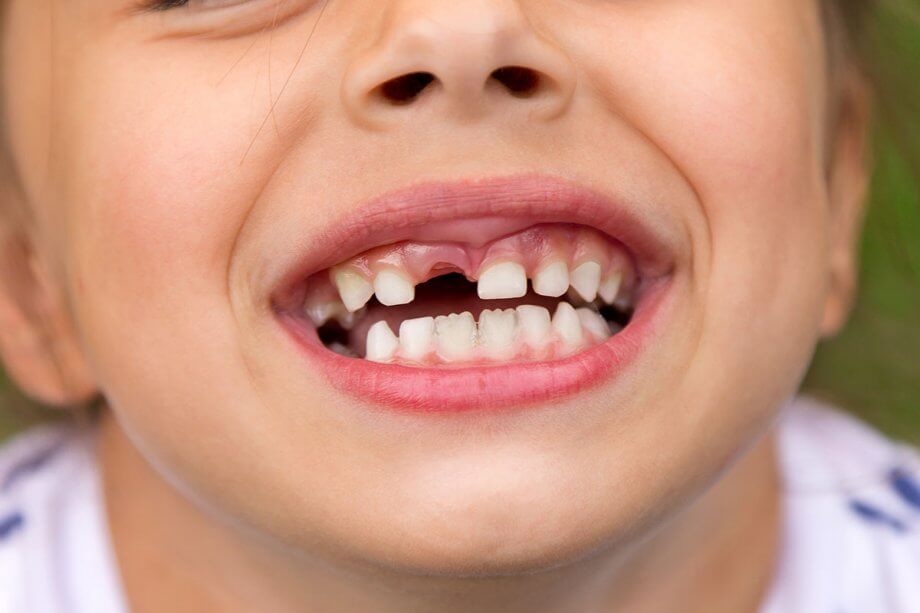
A knocked-out tooth can happen when kids are active, whether during play or sports. Acting quickly and correctly is crucial. This guide provides steps to handle the situation and protect your child’s smile..
Step 1: Stay Calm
It’s natural to feel anxious when your child knocks out a tooth, but staying calm is the first step. Your child will already be upset or in pain, so your calm demeanor will help reassure and comfort them. Take a deep breath and assess the situation.
Key things to look out for:
- Is it a baby tooth or a permanent tooth?
- Is your child in pain or experiencing any bleeding?
Once you have a clear picture of what’s happening, you can take the appropriate next steps.
Step 2: Determine If It’s a Baby Tooth or Permanent Tooth
Identifying whether the knocked-out tooth is a baby tooth or a permanent tooth is crucial since the treatment can differ.
- If It’s a Baby Tooth
Baby teeth are designed to fall out naturally as your child grows, so losing one accidentally is usually less serious. However, you should still consult your child’s dentist to ensure no damage was done to the surrounding teeth or gums.
- If It’s a Permanent Tooth
Losing a permanent tooth requires immediate attention. Handle the tooth with care and act quickly to increase the chances of saving it.
Step 3: Handle the Tooth Properly
If the knocked-out tooth is a permanent tooth, how you handle it plays a significant role in whether it can be successfully replanted. Here’s what to do:
- Pick It Up by the Crown
Never touch the root of the tooth. Hold it by the crown (the part that’s visible above the gumline) to prevent damage to the root.
- Rinse It Gently
If the tooth is dirty, rinse it off with saline solution or milk. Avoid using soap, scrubbing the tooth, or drying it with a cloth, as this can damage its delicate structures.
- Try to Reinsert the Tooth
If possible, gently place the tooth back into its socket without forcing it. Have your child bite down softly on a piece of gauze to hold it in place.
Step 4: If You Can’t Reinsert the Tooth
Sometimes it’s not possible or safe to put the tooth back in its socket. If that’s the case:
- Keep the Tooth Moist
Place the tooth in a container with milk or a tooth preservation kit, if you have one. If neither option is available, have your child hold the tooth in their cheek or place it under their tongue, but only if they’re old enough to avoid swallowing it.
- Avoid Storing It in Water
Water can damage the cells on the tooth’s root, reducing the chances of successful replantation.
Step 5: Stop the Bleeding
Use a clean piece of gauze or cloth to apply gentle pressure to the affected area. This will help stop the bleeding. If it doesn’t stop after 10 minutes, seek medical attention immediately as there may be a more serious issue.
Controlling bleeding quickly is essential, but remember that persistent or unexpected gum bleeding during routine oral hygiene is a warning sign that shouldn’t be ignored. According to this expert dentist in Little Neck NY, if you notice blood while brushing or flossing, it often points to early gum disease and signals the need for a professional dental checkup as part of your preventative care to protect your overall dental health.
Step 6: Get to the Dentist Immediately
When it comes to a knocked-out permanent tooth, time is of the essence. Ideally, your child should see a dentist within 30 minutes of the incident. The sooner the tooth is reimplanted, the better the chances of saving it.
Call your dentist ahead of time to explain the situation so they’re prepared to treat your child as soon as possible.
Preventing Future Accidents
While you can’t control every accident, there are steps you can take to prevent dental injuries in the future:
- Encourage Proper Safety Gear
Make sure your child wears a mouthguard during sports and other physical activities.
- Teach Good Habits
Helping your child maintain strong teeth with regular brushing and flossing ensures they’re less prone to damage. For tips, check out guides on teaching kids the importance of brushing and flossing.
- Childproof Your Home
Eliminate hazards that could cause falls, such as loose rugs or furniture with sharp edges.
When to Reach Out for Help
Not all dental injuries are the same, and some situations may require more specialized care. Here are a few reasons to contact a dentist after your child knocks out a tooth:
- The area around the tooth is swollen or discolored.
- Your child is in severe pain.
- There’s visible damage to other teeth or gums.
Remember, it’s always better to be safe and get a professional opinion when in doubt, especially from an emergency dentist like those in Layton.
Conclusion
Accidents happen, but knowing how to handle a knocked-out tooth can make a world of difference in your child’s oral health. Acting quickly, handling the tooth properly, and seeking immediate dental care can help save the tooth and minimize future complications.
