

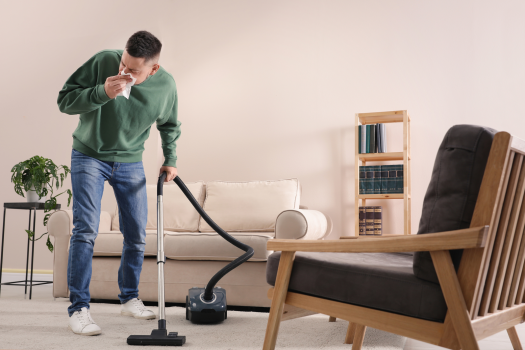
For many people, home is a place of comfort and refuge. But for allergy sufferers, it can also be a hidden battleground. Dust mites, mold, pet dander, pollen, and chemical irritants can all trigger allergic reactions that disrupt daily life. The good news? With some smart adjustments and consistent habits, you can significantly reduce allergens and create a healthier living environment. Let’s explore practical ways to allergy-proof your home so you and your family can breathe easier.
Discovering a blood stain on your bed can be frustrating, but our comprehensive guide on mattress blood stain removal offers simple, effective solutions to restore your mattress.
1. Keep the Air Clean
Indoor air quality plays a huge role in managing allergies. Start by using a high-efficiency particulate air (HEPA) filter in your HVAC system or air purifiers. These filters are designed to trap airborne particles like pollen, dust, and pet dander. Change your HVAC filters every 1–3 months, and keep air ducts clean to prevent the circulation of allergens.
Ventilation is also key. Open windows on low-pollen days to let in fresh air, and use exhaust fans in bathrooms and kitchens to reduce moisture buildup and airborne irritants.
2. Control Humidity Levels
Mold and dust mites thrive in damp environments. Aim to keep indoor humidity between 30% and 50%. Use a dehumidifier in damp areas such as basements or laundry rooms. In the bathroom, make sure to run an exhaust fan during and after showers, and wipe down wet surfaces to prevent mold growth.
Consider placing moisture absorbers or silica gel packs in closets and storage areas, especially if you live in a humid climate.
3. Dust and Vacuum Regularly
Dust is one of the most common indoor allergens. It accumulates quickly and often contains a mix of pollen, mold spores, dead skin cells, and pet dander. To combat this:
- Use a damp microfiber cloth for dusting—dry cloths just spread particles around.
- Vacuum carpets and rugs at least once or twice a week using a vacuum with a HEPA filter.
- Don’t forget to clean hard-to-reach areas like behind furniture, window sills, baseboards, and ceiling fans.
If you suffer from severe allergies, consider wearing a mask while cleaning or having someone else do it.
4. Rethink Flooring and Fabrics
Carpets, heavy drapes, and upholstered furniture tend to trap dust, pet dander, and other allergens, making allergy control more difficult. For a cleaner, allergy-friendly home—especially in places like Salt Lake City, where dry conditions can stir up dust—consider switching to hardwood floors, tile, or vinyl, all of which are easier to keep clean.
Opt for washable curtains or blinds, and think about replacing fabric furniture with leather or other wipeable surfaces. If you enjoy the comfort of rugs, choose low-pile styles and make sure to wash them regularly to keep allergens at bay. For added comfort and high-quality bedding to complement your clean space, explore Rest.com.
5. Create an Allergy-Free Bedroom
You spend a third of your life sleeping—so your bedroom should be a sanctuary from allergens. Here’s how to keep it clean:
- Use allergen-proof covers on pillows, mattresses, and box springs.
- Wash sheets, pillowcases, and blankets in hot water weekly (130°F or higher kills dust mites).
- Minimize decorative pillows and stuffed animals, or wash them regularly.
- Keep pets out of the bedroom, even if they’re a beloved part of your family.
6. Keep Pets Clean and Groomed
Pet dander is a major allergy trigger. While giving up a pet is rarely an option, regular grooming can help:
- Brush pets outdoors to reduce indoor shedding.
- Bathe them as often as recommended by your vet to reduce dander.
- Wash pet bedding frequently and vacuum areas where they spend time.
Designate pet-free zones in your home, particularly the bedroom.
7. Watch for Mold
Mold thrives in warm, damp, and dark areas. Check regularly for signs of mold in bathrooms, kitchens, laundry rooms, and basements. Clean visible mold promptly using a solution of water and vinegar or a mold-specific cleaner.
Fix any leaks or plumbing issues quickly, and avoid carpeting in bathrooms or basements where moisture is common.
8. Choose Allergy-Friendly Products
Many common household cleaning products, air fresheners, and candles contain chemicals that can irritate allergies. Instead, choose fragrance-free, non-toxic, or hypoallergenic cleaning products. You can also make your own cleaners using natural ingredients like vinegar, baking soda, and lemon juice.
Be cautious with scented candles and essential oils—while they may seem soothing, they can aggravate sensitive airways.
9. Limit Clutter
Clutter collects dust and makes cleaning more difficult. Try to keep surfaces clear, especially in bedrooms and living areas. Store items in closed containers, and regularly sort through possessions to reduce dust-collecting knickknacks.
Final Thoughts
Preventing allergies in your home doesn’t require drastic changes—just a consistent routine and smart habits. By focusing on air quality, cleanliness, and reducing allergen-prone materials, you can create a space that supports better health and fewer sneezes.
Your home should be a haven, not a source of irritation. With these practical tips, you can breathe easy—literally.
