

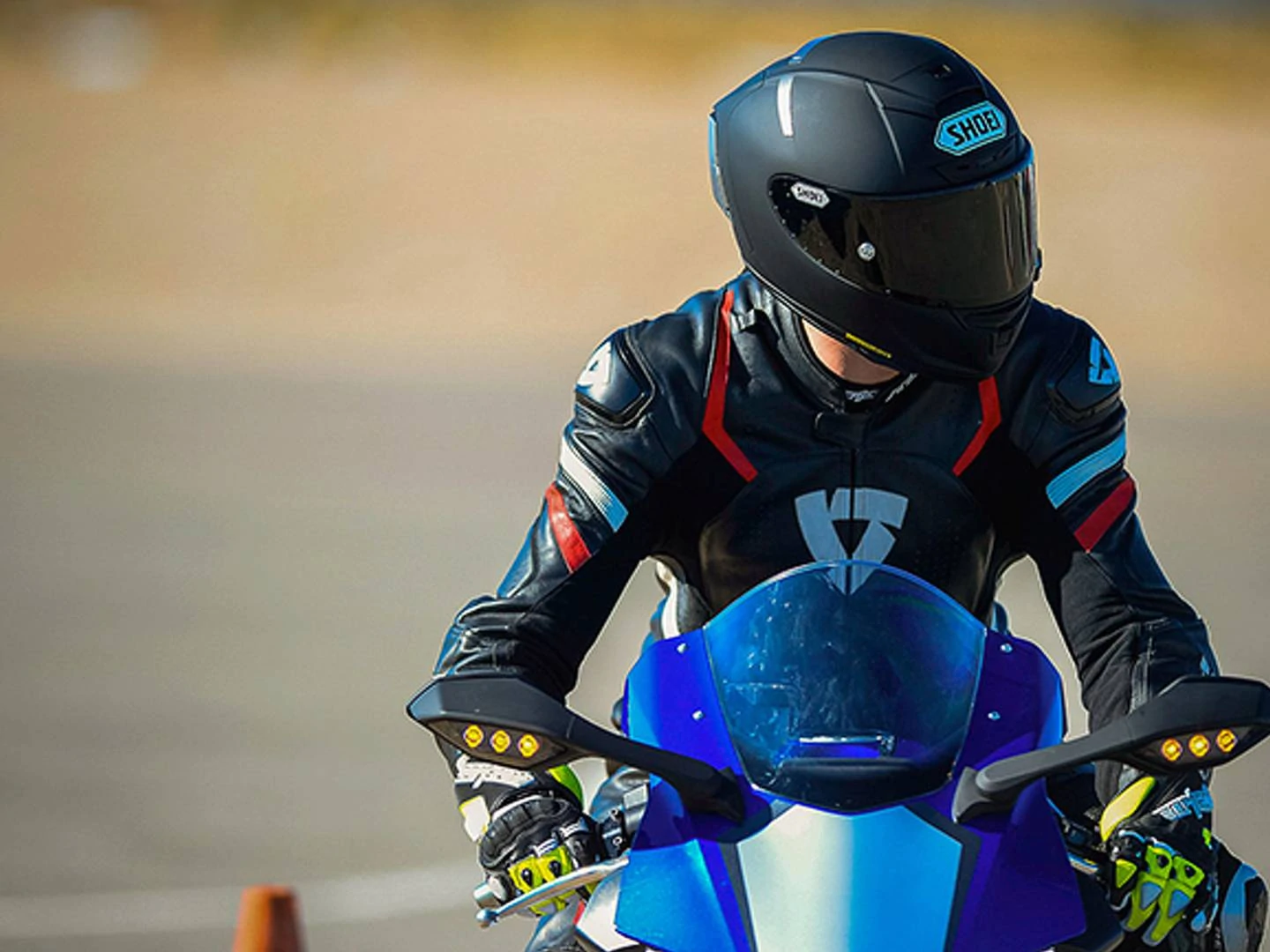
The thrills associated with motorcycling are unparalleled, delivering an adrenaline rush that’s hard to find in any other routine activity. But as any experienced rider knows, the higher the speed, safety becomes paramount. One of the fundamental aspects of a rider’s safety gear, especially when racing or riding at high speeds, is the race leathers. These protective garments are not just a fashion statement but a critical element in safeguarding a rider from harm.
Why Are Race Leathers Essential?
At high velocities, motorcyclists expose themselves to significant risk. A fall or crash can lead to serious injuries, and it is here that race leathers come into their own. They are designed to withstand high-impact situations and reduce the abrasion that a rider can suffer from sliding on asphalt or other surfaces.
Quality race leathers are tailored to encompass both protection and comfort. They are typically made from leather due to its high tensile strength and abrasion resistance. These suits can absorb a great deal of punishment that would otherwise be transferred to the wearer’s skin and body.
In addition to protection from abrasions, these leathers also incorporate armour in strategic places such as the knees, elbows, back, and shoulders. This armour is usually composed of high-impact resistant materials that can disperse the force of a hit more evenly, thereby reducing the risk of fractures and other blunt force injuries.
The Anatomy of Race Leathers
When it comes to manufacturing race leathers, it’s a blend of art and science. From the choice of materials to the placement of seams and zippers, every detail in a racing suit is strategically planned for the highest levels of protection and ergonomics.
The leather itself is usually cowhide or kangaroo skin, with the latter being lighter and more flexible while offering similar levels of protection. The thickness of the leather is also important – too thin and it won’t provide adequate protection, too thick and it could impede a rider’s movement and comfort.
Pre-curved sleeves and legs in race leathers are another key feature. These take into account the riding stance, ensuring that riders have an optimal range of motion when on their machines.
Custom Fit For Maximum Safety
No two riders are the same, which is why proper fitment of race leathers is of the utmost importance. A suit that’s too loose may shift upon impact, leaving skin exposed or armour out of place, and one that’s too tight can restrict movement and reaction times.
Many professional racers opt for custom-made leathers. These are designed to fit the individual’s exact measurements, allowing for a second-skin feel without restricting movement. The result is not only optimal protection but also increased confidence – an essential ingredient when racing at high speeds.
Maintenance and Durability
Investing in quality race leathers also means considering their durability and how they will hold up over time. Proper maintenance plays a significant role in this. Regular cleaning and conditioning of the leather are essential to prevent it from drying out and cracking. Furthermore, after experiencing an impact or crash, it is recommended to have the leathers inspected for any damage that might compromise their integrity.
Riders should view their race leathers as a long-term investment. With good care, high-quality leather suits can last for several years, despite the demanding conditions they are exposed to.
The Role of Technology in Enhancing Safety
The evolution of race leathers includes technological advancements that continue to enhance rider safety. Manufacturers invest in research and development to introduce features like perforation for better ventilation, stretch panels for improved comfort, and even airbag systems integrated into the suits for additional impact protection.
Such innovative elements ensure that the suits not only protect but also offer a level of performance that can positively affect a rider’s capability on the track.
Concluding Thoughts on Race Leathers
Race leathers hold a non-negotiable place in the world of high-speed motorcycling. With factors such as material quality, fit, and design all playing a crucial role in a rider’s safety, it becomes apparent why investing in a first-rate set of leathers is essential.
As the motorcycling community continues to push the boundaries of speed and agility, the demand for protective gear that can keep pace is imperative. Riders, whether amateur enthusiasts or professional racers, must place their trust in their gear. Purchasing quality race leathers is not just about complying with regulations or completing a look; it’s a vital decision that can have life-saving consequences.
Every time a rider zips up their suit, they should feel the weight of its purpose. In such a high-risk sport, one shouldn’t settle for anything less than the best in protection. The road may be uncertain, but with the right gear, riders can meet challenges with confidence, focusing on the thrill of the ride while being guarded against its perils.
Ultimately, quality race leathers serve as a rider’s second skin – a durable, protective barrier that allows them to push their limits while providing the safety necessary to enjoy the ride another day.
